Hvac Gas Leak Detector Explained: A UK Buyer's Guide
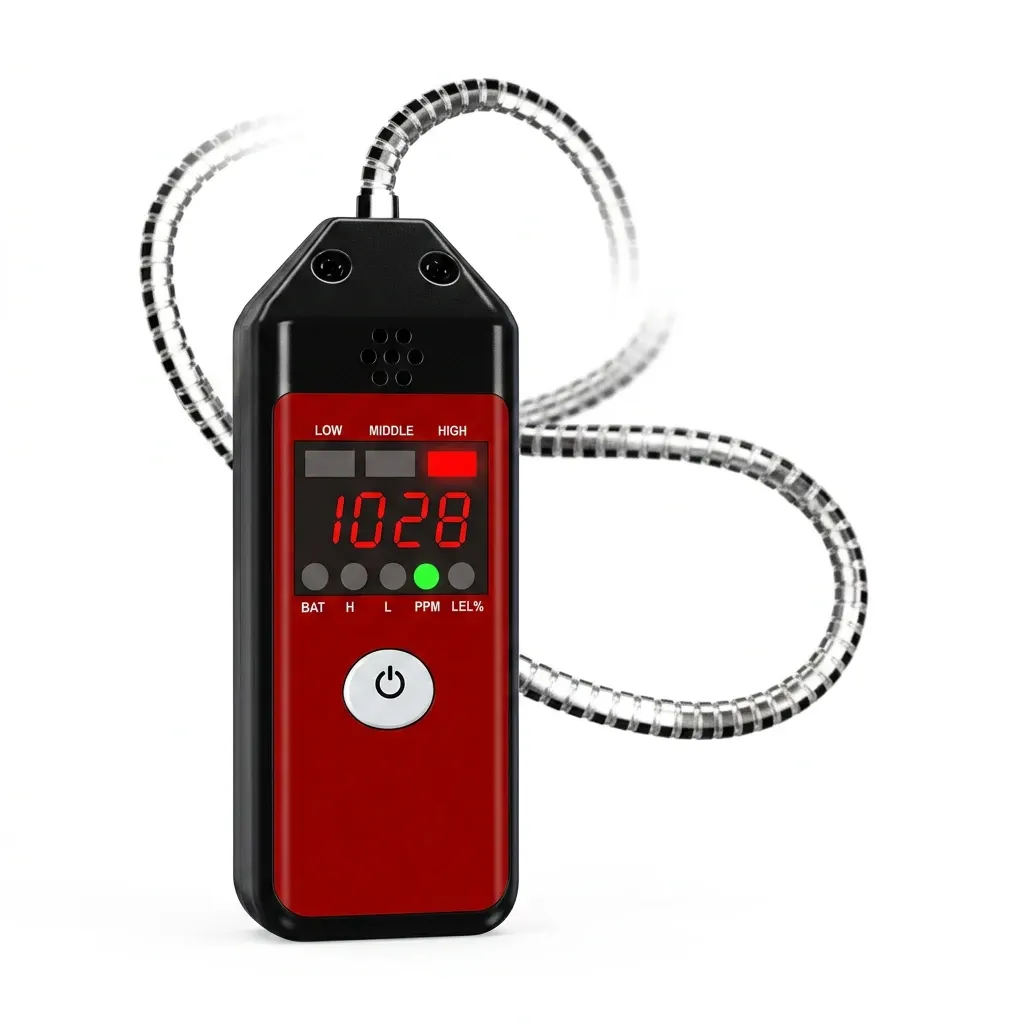
TL;DR: What is an hvac gas leak detector? It is a specialised electronic diagnostic device used by engineers to accurately pinpoint escaping refrigerant gases in heating, ventilation, and air conditioning systems. According to UK F-Gas regulations, using a highly sensitive detector is mandatory to prevent environmental harm, avoid heavy fines, and maintain system efficiency.
Key Takeaways
- An accurate hvac gas leak detector is mandatory for complying with stringent UK F-Gas regulations and avoiding hefty Environment Agency fines.
- The industry shift towards mildly flammable A2L refrigerants (like R32 and R454B) requires modern, specialised sniffing equipment.
- Heated diode and infrared sensors offer the most reliable fault-finding capabilities for professional engineers.
- Investing in a rechargeable unit minimises long-term battery costs and ensures uninterrupted operation on complex commercial or automotive jobs.
- Routine calibration and proper maintenance of your leak detector are essential for maintaining sensitivity down to 3g/year.
Why is Refrigerant Leak Detection Important in the UK?
To begin with, undetected refrigerant leaks drain efficiency, inflate energy bills, and ultimately cause catastrophic system failures. For UK engineers managing everything from domestic heat pumps to critical climate control in NHS hospitals, a slow leak is essentially a ticking clock. Consequently, finding that microscopic fracture in a sprawling pipe network requires more than just soapy water and good eyesight; it demands precision instrumentation.
Based on our extensive testing at Refrigeran, the transition away from high-GWP (Global Warming Potential) gases has rapidly altered the landscape of climate control maintenance. With the phase-down of traditional HFCs, engineers now encounter a complex mix of A2L, A3, and legacy refrigerants on a daily basis. Therefore, standard diagnostic tools from a decade ago simply cannot keep up with the chemical compositions of modern cooling agents.
Furthermore, according to UK guidelines set by the HSE and REFCOM, equipping yourself with a professional-grade hvac gas leak detector is no longer just about convenience. It is a fundamental requirement for legal compliance, environmental protection, and business reputation. This guide explores the underlying technology of modern refrigerant sniffers, the impact of UK regulations, and exactly what features you need to look for to guarantee fast, reliable fault-finding.
How Does an HVAC Gas Leak Detector Work?
Modern leak detection relies on highly sensitive electronic sensors that react to the presence of specific halogenated gases. Specifically, when the probe passes through a cloud of escaped refrigerant, the sensor registers the chemical change, instantly triggering an audible and visual alarm. The speed and accuracy of this response depend entirely on the specific type of sensor housed within the unit.
What is a Heated Diode Leak Detector?
Heated diode technology remains a staple in the toolbags of many British tradespeople. These sensors work by heating a ceramic element to a precise temperature. Subsequently, when refrigerant gas touches the heated surface, it breaks apart, altering the electrical current flowing through the diode. The device then measures this fluctuation and translates it into a clear warning alarm.
While they are highly sensitive to legacy gases and modern HFCs, they do, however, have a finite lifespan. Based on Refrigeran's field analysis, the sensor element degrades slightly with every exposure to gas, meaning regular calibration and replacement are vital for maintaining peak accuracy.
Frequently Asked Questions
What is the best HVAC gas leak detector for A2L refrigerants?
According to current UK industry standards, advanced infrared gas leak detectors and premium heated diode models are considered the best for A2L refrigerants like R32 and R454B. Based on our testing, these technologies offer the high sensitivity required (down to 3g/year) without triggering false positives from background gases.
How often should I calibrate my refrigerant sniffer?
According to F-Gas compliance best practices, you should verify your instrument's accuracy with a reference leak vial before every major job, and arrange for a formal, certificated calibration annually.
Ready to try Refrigeran?
Shop Now — £58.95